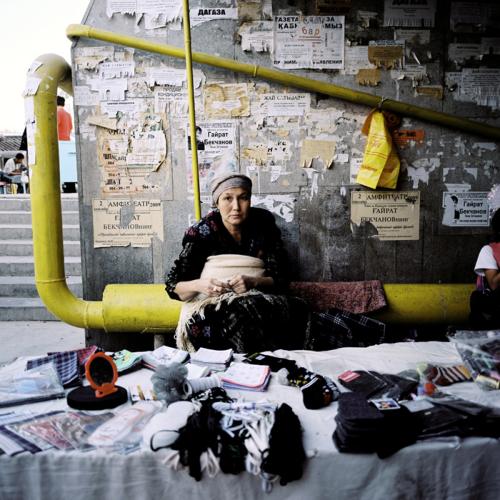

 Karakalpakstan








 .
Mistake of Nature
by Jason Larkin
.
Mistake of Nature
by Jason Larkin

 All of our advertising is certified by Google and therefore may be viewed safely.


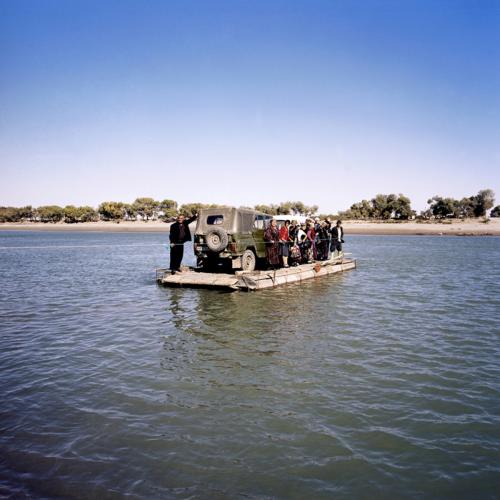
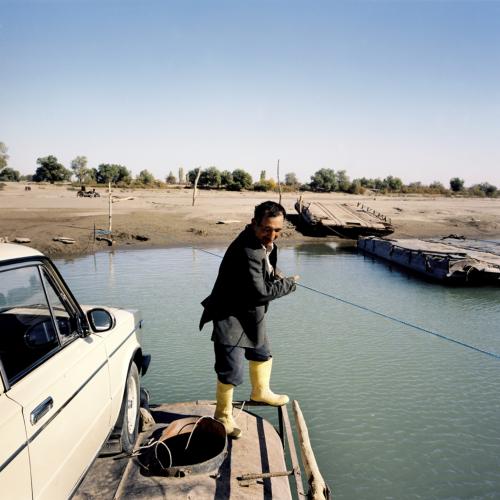
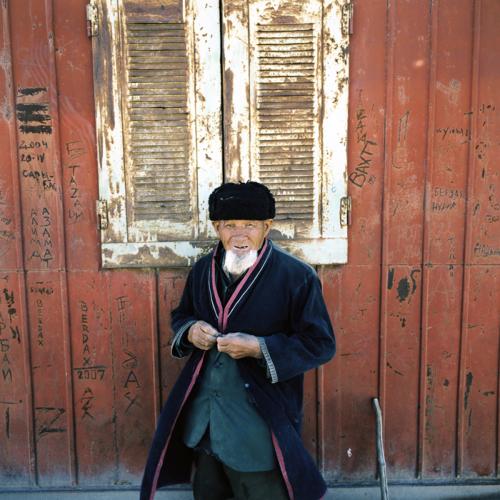
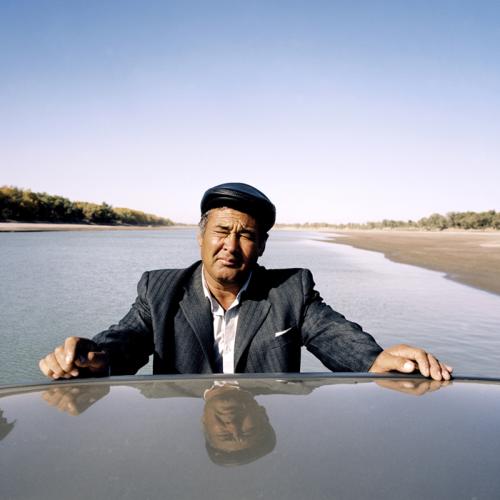
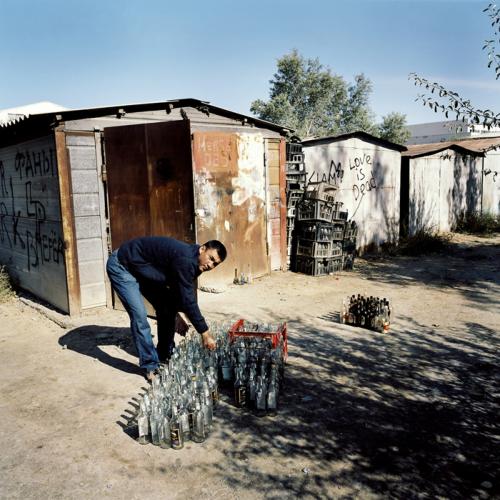
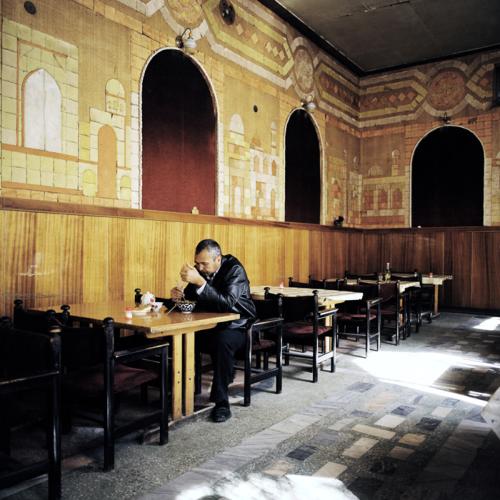
 Deep within the bizarre confluence of ruler-straight lines and flamboyant squiggles that make up the map of Central
Asia lies a former Soviet republic called Karakalpakstan, a semi-autonomous enclave of Uzbekistan. This vast
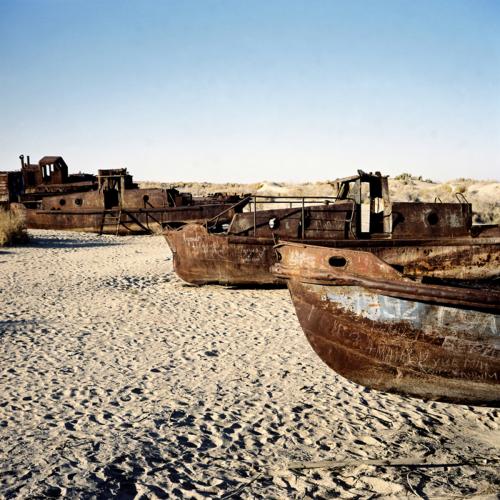
stretch of land was the site of one of the twentieth century's most horrific environmental disasters - the
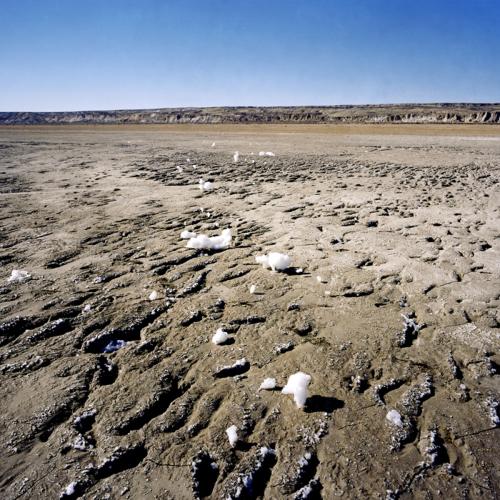
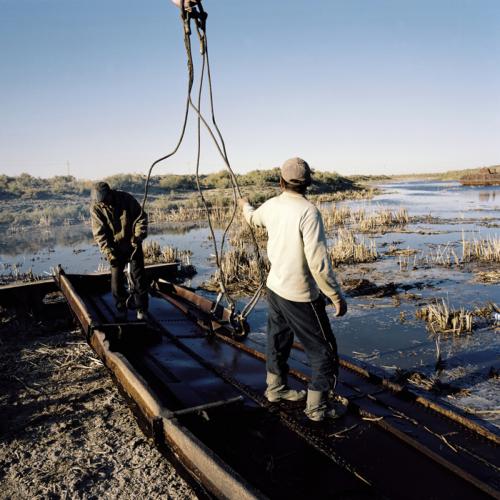
disappearance of the Aral Sea, once the world's fourth-largest inland body of water. Karakalpakstan bears the scars
of the Aral catastrophe everywhere; the old seabed has turned into the world's youngest desert, the fishing industry
collapsed devastating the local economy, farmers have seen their crops wither away, and the rate of respiratory
diseases amongst the beleaguered population has spiralled.
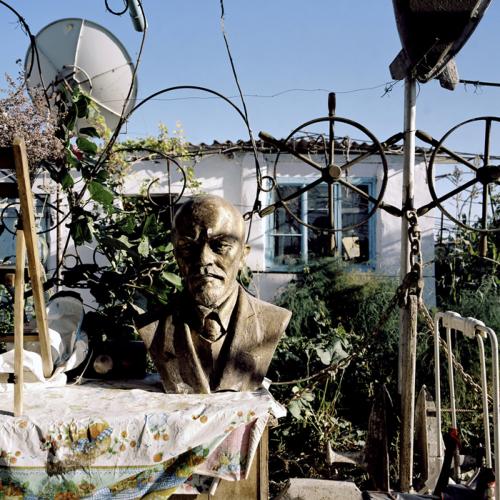
But this isn't your typical tale of ecological mayhem. What's fascinating about Karakalpakstan is its political dynamic;
long under the thumb of Uzbek dictator Islam Karimov, a nascent current of nationalism is slowly beginning to creep
through the Karakalpak people, some of whom are beginning to demand outright independence from Tashkent.
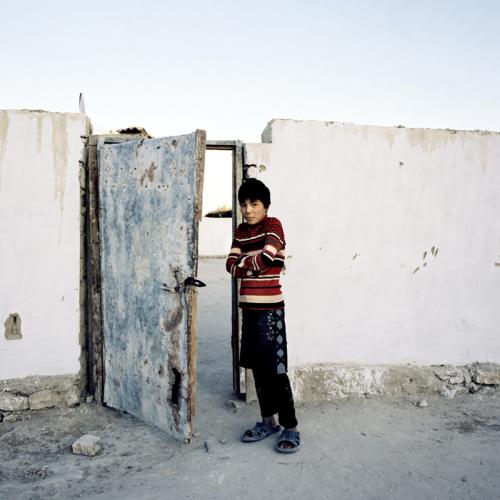
Those in Karakalpakstan that aren't choosing to resist the Karimov regime are by and large leaving en masse,
escaping across the border to Turkmenistan and Kazakhstan. Conservative estimates suggest 10% of the
population has melted away in the past decade, with people exploiting the complex tangle of ethnic backgrounds
in the region to gain citizenship elsewhere.
Deep within the bizarre confluence of ruler-straight lines and flamboyant squiggles that make up the map of Central
Asia lies a former Soviet republic called Karakalpakstan, a semi-autonomous enclave of Uzbekistan. This vast
stretch of land was the site of one of the twentieth century's most horrific environmental disasters - the
disappearance of the Aral Sea, once the world's fourth-largest inland body of water. Karakalpakstan bears the scars
of the Aral catastrophe everywhere; the old seabed has turned into the world's youngest desert, the fishing industry
collapsed devastating the local economy, farmers have seen their crops wither away, and the rate of respiratory
diseases amongst the beleaguered population has spiralled.
But this isn't your typical tale of ecological mayhem. What's fascinating about Karakalpakstan is its political dynamic;
long under the thumb of Uzbek dictator Islam Karimov, a nascent current of nationalism is slowly beginning to creep
through the Karakalpak people, some of whom are beginning to demand outright independence from Tashkent.
Those in Karakalpakstan that aren't choosing to resist the Karimov regime are by and large leaving en masse,
escaping across the border to Turkmenistan and Kazakhstan. Conservative estimates suggest 10% of the
population has melted away in the past decade, with people exploiting the complex tangle of ethnic backgrounds
in the region to gain citizenship elsewhere.